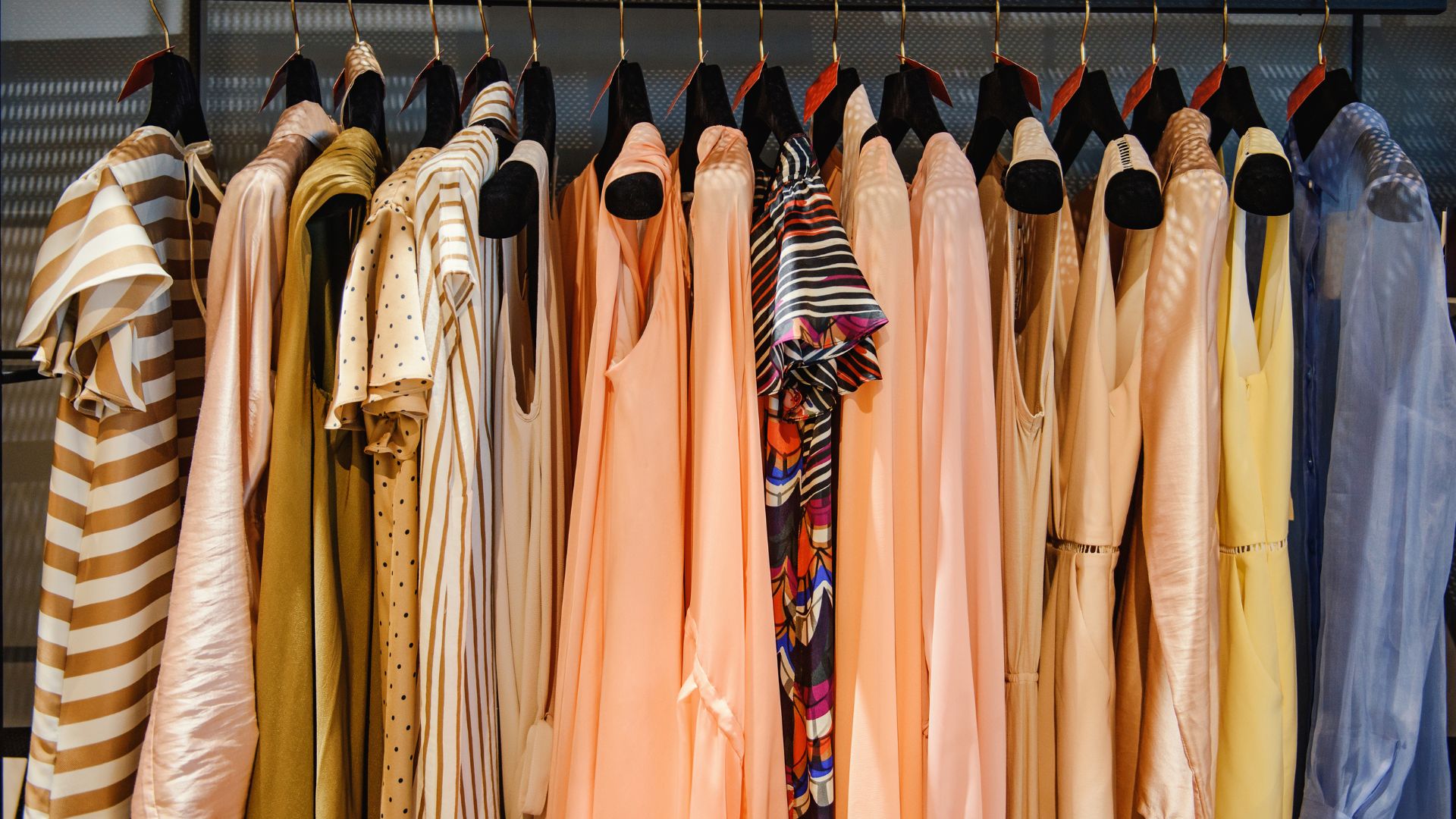
The fashion industry is one of the most polluting sectors of the global economy. Fast fashion is the most important cause of many of these pollutants.
In this article, we discover some tips that can help us make more conscious purchases and reduce the rates of production and consumption that prevail today!
Let’s not forget that in the broader sense of fashion we generally refer to what defines a person’s style and image. So, when we talk about sustainable choices in fashion, our thinking should not be limited to clothing and shoes, but should also consider accessories such as bags, belts, hats, but also things that may not seem to us to make up our image but ultimately play a big role in it, such as an umbrella and our cold house.
The following advice seems to refer to how to choose and treat our clothes, with the thought that we will realize that ultimately at the level of values, it can also be applied to how we can operate overall with the goal of a sustainable future.
1. TAKE CARE OF YOUR THINGS
Take care of your clothes and shoes according to the instructions on the labels, so that they last longer. This way you save resources for the planet but also reduce your expenses since the lifespan of your items is extended.
2. SUPPORT LOCAL BUSINESSES
Limit your purchases from large chain stores and prefer small slow fashion businesses.
By choosing small/local stores, you support businesses in the periphery of the gas emissions that arise during the process of transporting clothes between the different stages of production.
In addition, you support small businesses to earn a decent income.
3. THINK BEFORE YOU THROW AWAY
When some of your clothes or accessories no longer suit you, before throwing them away, you have alternatives.
Repair or repurpose worn-out clothes and shoes.
If you still don’t like them anymore, give them to people who might need them.
If none of the above is available, throw them in the special clothing recycling bin.
4. CHOOSE QUALITY OVER QUANTITY
When shopping, try to have the quality of the clothes as your criterion instead of quantity.
What is the value of renewing your style every month, with pieces that you will only wear a few times, either due to the rapid pace of changing fashion trends or due to their poor quality?
5. PREFER NATURAL MATERIALS
When shopping, choose clothes made from natural materials, such as bamboo, organic cotton or hemp fibers, or alternative leathers such as artificial leather (eco or vegan leather), which have a long lifespan and are produced in an environmentally friendly manner.
6. LOOK FOR SECOND-HAND CLOTHES
Did you know that there are stores that sell second-hand clothes?
Do you want to shop and have fun?
Organize a “treasure hunt” with your friends and update your wardrobe with inexpensive pieces, without environmental remorse!
7. SUPPORT SUSTAINABLE CORPORATE PRACTICES
Support companies that follow sustainable practices both as a reward and so that other companies claim the market by reviewing their production process. Thus, they may undertake more such initiatives.
Most brands today offer at least one piece in each of their collections that is made from recyclable / recycled materials. Look there first to see if there is something that serves your needs.
If you finally resort to a large chain for your purchases, see if you can donate a piece of clothing that you no longer wear, so that it can be used to create future collections. The bonuses of this practice are that some companies give some rewarding privileges for the clothes they take back.
Some stores offer the option to offset the environmental costs of shipping and packaging your order with a small donation to a “neutralizing” footprint. If you have the opportunity to use it, at least you know that you tried to “balance” your share!
8. MAKE RESPONSIBLE ONLINE SHOPPING
If you buy a garment or shoes online, make sure of its image or size. To better evaluate your purchases, you reduce the chances of returning the product you bought. This avoids the unneeded waste of resources for creation and transportation, as well as the burden on the atmosphere with the gas emissions of returning it.
If you order something online and can choose to have it delivered to a smart point, you help reduce emissions from delivery vehicles by helping them reduce their routes.
GENERAL: SHOP RESPONSIBLY!
In any case, it is a good idea to evaluate each purchase carefully and ask yourself if what you want to get is really what you need.